
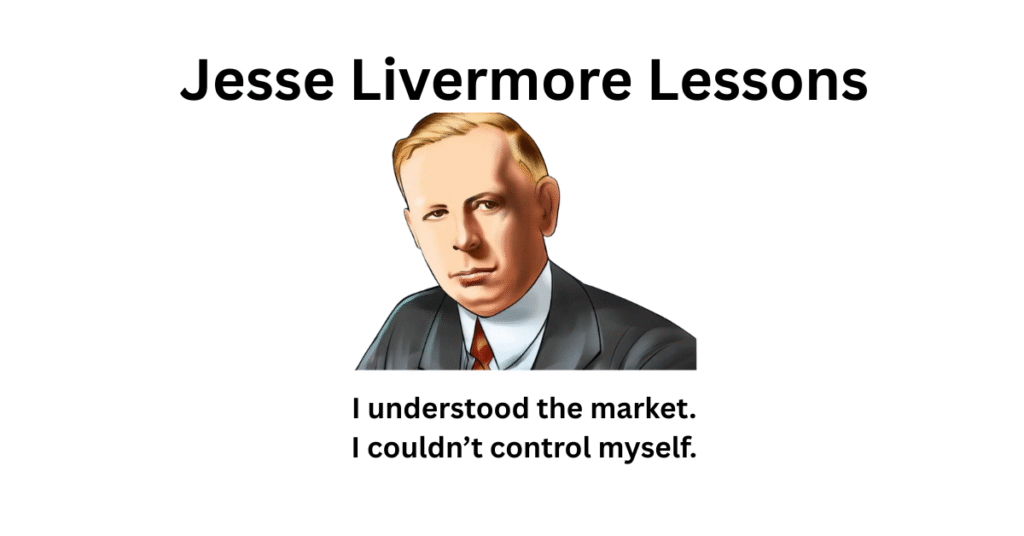
Jesse Livermore Lessons
Jesse Livermore lessons told in first person — not as history, but as confession. A brutal look at why understanding markets was never enough, and how discipline, size, and self-control ultimately decide who survives.
Jesse Livermore lessons told in first person — not as history, but as confession. A brutal look at why understanding markets was never enough, and how discipline, size, and self-control ultimately decide who survives.

Everyone is confident until the market disagrees. A personal reflection on Nassim Taleb’s trading philosophy, fragility, and how certainty quietly collapses in real markets.

A quiet look at why comparing retail investors vs institutional investors often creates more confusion than clarity, and how understanding the different games they play can change how you approach markets.

Most investing mistakes happen when things feel clear. This piece explores the quiet decisions where second order investing thinking actually matters.
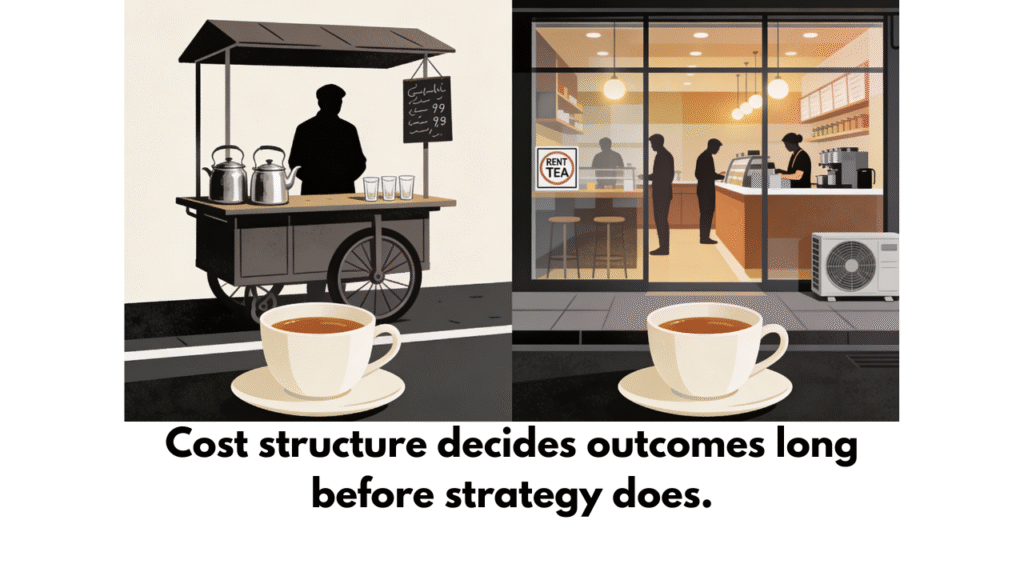
Two businesses can sell the same product at the same price yet face different outcomes. Cost structure, not growth, decides who survives cycles and compounds.
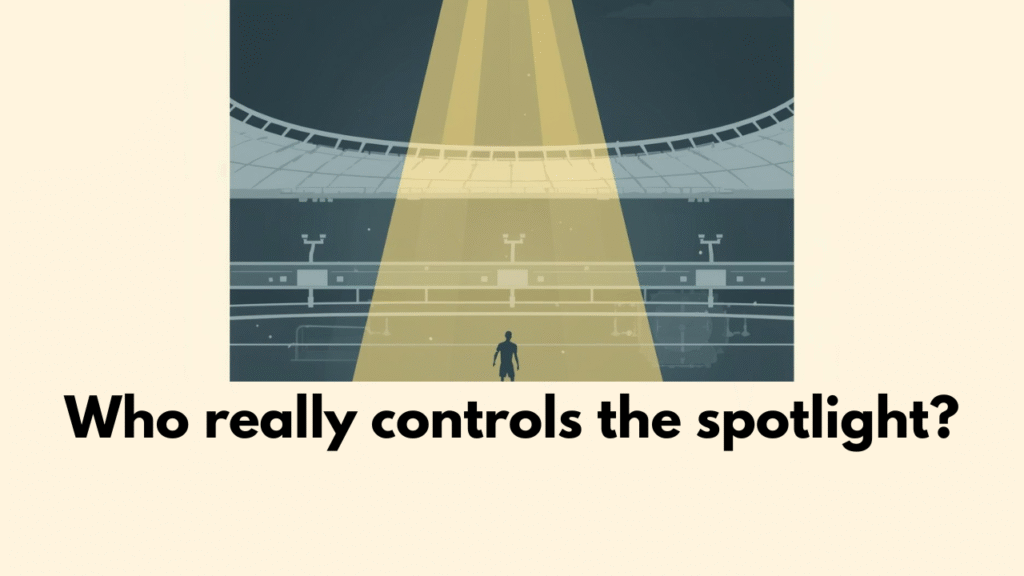
When global stars visit India, headlines follow. But the real story isn’t on the stage, it’s in how attention is rented, monetised, and controlled. This article breaks down who actually makes money in the attention economy, and why investors should look beyond the spotlight.

India is entering a once-in-a-generation data centre supercycle driven by cloud adoption, AI workloads, and data-localisation laws. This story explains colo, cloud, and the infrastructure powering India’s digital future—simply and clearly.

Every investor is scared of drawdowns.Every investor is terrified of bear markets.And every investor, secretly, thinks they’re immune to stupidity
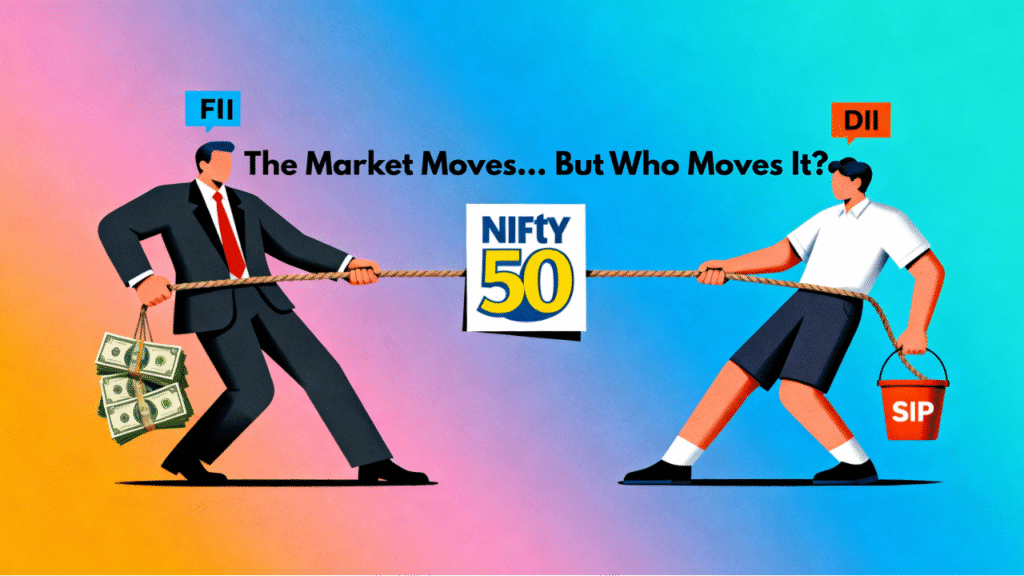
A brutally honest, humorous breakdown of how FIIs, DIIs, and LIC really move the Indian market — why FIIs panic, why DIIs stay calm, and why retail misunderstands daily flow data.
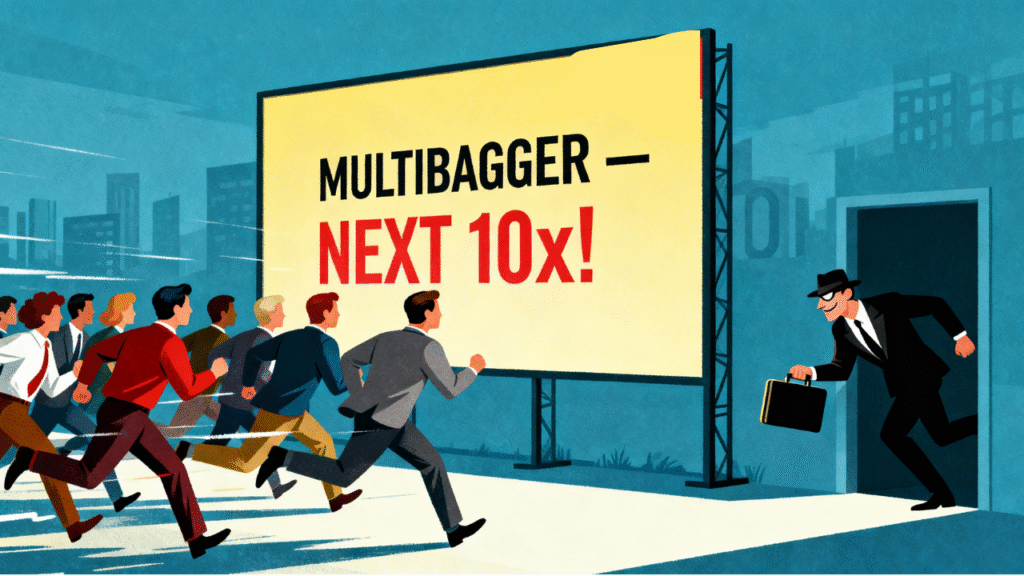
Pump-and-dumps don’t work because operators are clever — they work because investors are predictable. From manufactured legitimacy to emotional traps like FOMO and social proof, this deep dive exposes how promoters manipulate psychology so effectively that even seasoned professionals get fooled.